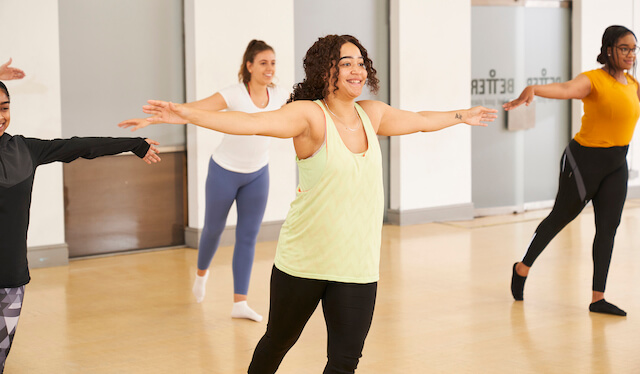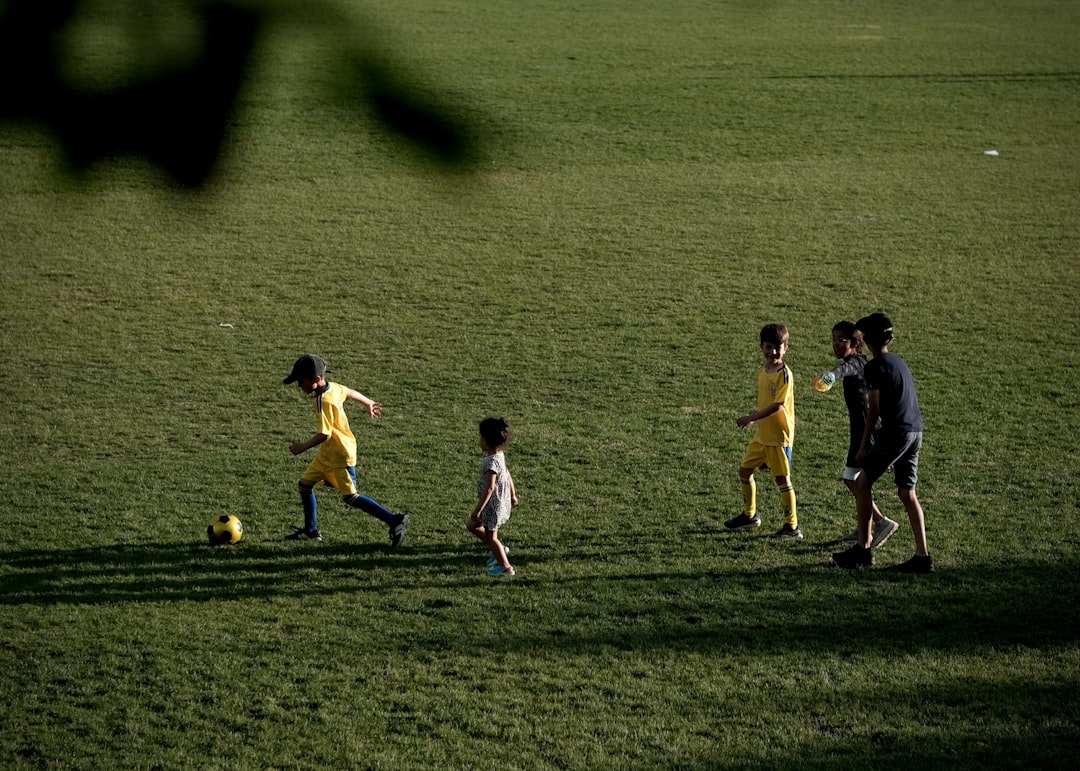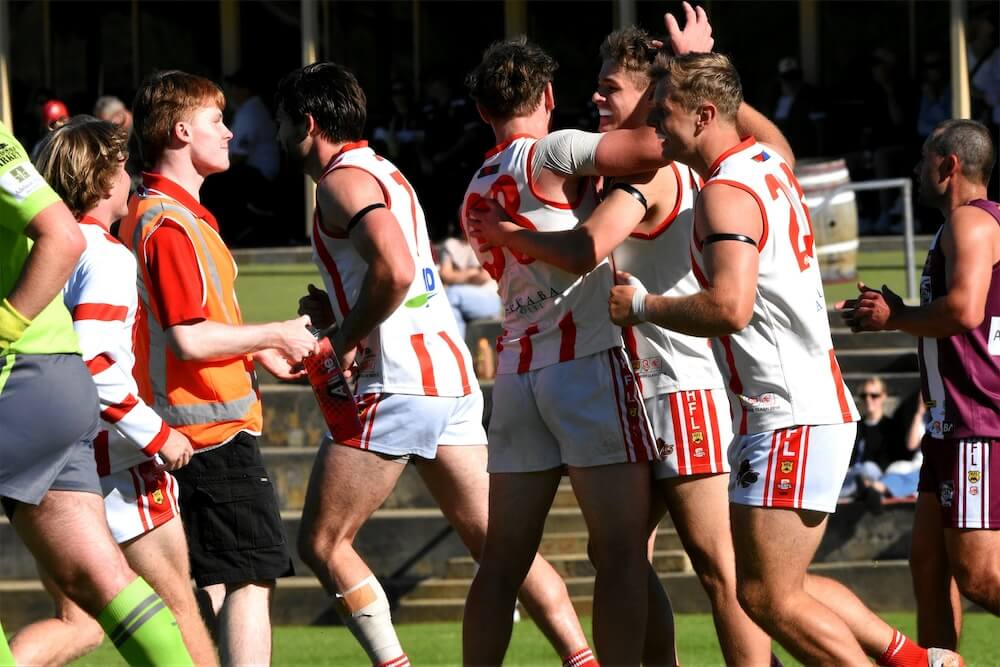


You moved cities. Your closest mates had kids and disappeared into a different version of life. Or maybe nothing dramatic happened at all. You just looked up one weekend and realised your social circle had quietly shrunk to people you message but rarely see.
If that sounds familiar, you're not alone, and the data backs it up. A 2025 University of Sydney report found 43% of Australians aged 15 to 25 feel lonely, and the federal government's HILDA survey now shows young Australians report higher loneliness than people aged 65 and over, a complete flip from twenty years ago. More than a third of all Australian adults say they've felt lonely in the past week.
So if making friends in Australia feels harder than it should, the problem isn't you. The default social infrastructure most people grew up with (school, sport, university, shared offices) has quietly stopped working for adult life. You have to build the new version on purpose.
This guide covers the ways people are actually doing it in 2026: in-person communities you can join this weekend, the apps worth trying (and the ones that aren't), and the small habits that turn a stranger into a mate.
Why Making Friends as an Adult in Australia Is Harder Than It Used to Be
Before getting into the how, it's worth naming what's changed. Most "just put yourself out there" advice misses the structural stuff.
A few things have happened at once. Hybrid and remote work means you no longer share a daily room with 30 people. Housing affordability has scattered friends across suburbs they didn't choose. The pandemic broke the habit of unscheduled hanging out, and a lot of people never rebuilt it. Phones have made it possible to feel "in touch" with someone you haven't actually seen in two years.
There's also a uniquely Australian piece. The country is huge, cities are sprawling, and most people drive home from work to a suburb that isn't designed for casual run-ins. Unlike denser places where you bump into the same people at the same café, Aussie suburbs require you to actively go somewhere to see anyone.
The good news: once you understand that making friends now requires showing up on purpose, the path becomes much clearer. You join a thing. You go back. You let it compound.
Psychologist Marisa Franco has done some of the best public work on the science of adult friendship. Her TED talk is a recommended watch before you read the rest of this guide:
We've also written about why making friends as an adult is so different, and there's good research on how exercise reduces loneliness if you want to dig into the science.
Non-Digital Ways to Make Friends in Australia
Apps get most of the attention in articles like this one, but the strongest friendships almost always start in a real place doing a real thing. Here are the in-person paths that actually work in Australia in 2026.
Join a local sports club or social sport league
Australia is sports-mad, which works in your favour. Social leagues are designed for people who care more about the post-game beers than the score. There's also solid evidence that social sport itself is good for you, beyond just the friendship side. Look for:
- Urban Rec and Social Sport competitions across most major cities: touch footy, netball, basketball, volleyball, dodgeball, soccer
- Local cricket, AFL, rugby, table tennis, and badminton clubs that take adult beginners
- Climbing gyms with regular meetup nights
- Ultimate frisbee, which has surprisingly large and welcoming social scenes through the Australian Flying Disc Association in Sydney, Melbourne, and Canberra
The reason these work: you see the same faces every week. The conversation builds without you having to manufacture it.
Find a run club
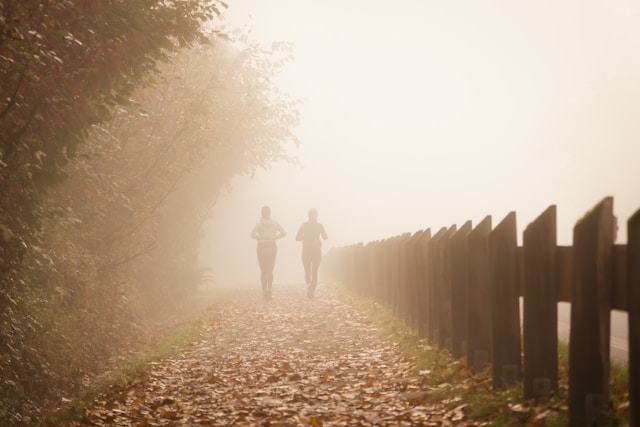
Run clubs have quietly become one of the best ways to meet people in Australian cities, especially post-pandemic. The format is simple. A 5 to 10 km route, easy pace at the back, coffee at the end. The coffee is the point.
Most cities now have dozens. Tempo Running Club and various neighbourhood Run Crews in Melbourne, Front Runners Sydney, the long-running RunBNE community in Brisbane, and countless smaller groups attached to local running shops. Most are free.
If you don't run, the same logic applies to walking groups, hiking clubs, and cycling groups. We've also written about why walking groups have become so popular, and if you're thinking of starting one, here's a guide to starting a running group in your area.
parkrun (it deserves its own entry)
If you only do one thing on this list, do this one. parkrun is a free, weekly, 5 km event held every Saturday morning in over 500 locations across Australia. You walk it, run it, or volunteer. There's no time limit. There's a tail walker so nobody finishes last.
What makes it work for friendships: it happens at the same time every week, with the same regulars, and most events end at a nearby café where people genuinely hang out. Volunteers form the closest community. Marshalling, scanning barcodes, or being the tail walker is a faster way into the regulars' circle than running ever is.
People talk about parkrun like it's just a run. It's actually one of the largest community-building infrastructures in the country, hiding in plain sight. Medibank's research on parkrun includes story after story of new arrivals to Australia who built their entire social network through it. Worth reading: our explainer on parkrun, why it's grown so quickly in Australia, and why volunteers are the heart of community sport.
Volunteer for something local
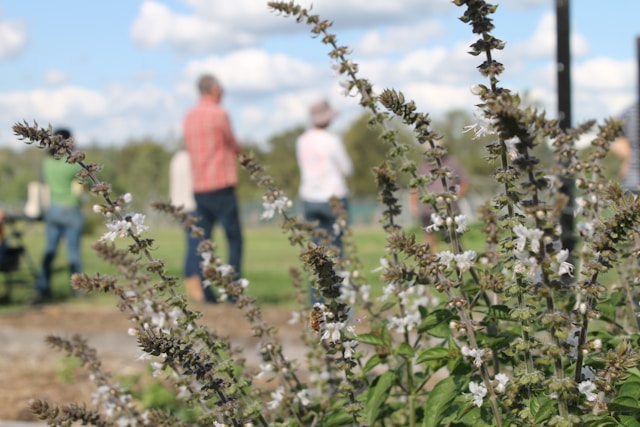
Volunteering puts you in a room with people who already share at least one value with you. That's a much stronger starting point than "we both live near this café."
Options that consistently lead to friendships:
- Bushcare and Landcare groups (working bees in local reserves)
- Surf Life Saving clubs along the coast
- Op shop volunteering with charities like Sacred Heart Mission, Vinnies, or the Salvos
- Festival and event volunteering (film festivals, writers' festivals, music festivals all need crews)
- Foodbank, OzHarvest, and SecondBite for food rescue
- Animal rescue and shelter work
Volunteer.com.au and SEEK Volunteer list opportunities by postcode.
Take a class with the same people each week
One-off workshops are fun but they're poor friendship infrastructure. What you want is something that runs over six to eight weeks with the same group of people.
What works:
- Pottery and ceramics studios (a huge friendship driver in Melbourne and Sydney right now)
- Life drawing, painting, and printmaking classes at places like Brunswick Street Gallery or community art centres
- Cooking classes at Otao Kitchen or your local council's community college
- Improv classes (The Improv Conspiracy in Melbourne, Improv Theatre Sydney)
- Dance classes (anything from salsa to swing to contemporary)
- Language classes through Alliance Française or community colleges
The pattern is the same as run clubs and sports. Repetition is what turns acquaintances into friends. If you've been thinking about getting back into a hobby, the same logic applies.
Join a book club
Book clubs are quietly one of the best friendship engines for adults who'd rather not run. Most independent bookshops in Australian cities run their own — Readings in Melbourne, Better Read Than Dead in Sydney, Avid Reader in Brisbane — and your local library almost certainly hosts at least one free monthly group. Meetup also has hundreds of book clubs across genres, from literary fiction to non-fiction to romance and sci-fi. The format does the work for you: you've already got a topic, you meet monthly, and the same people show up.
Show up at your local library, council, or neighbourhood house
This is the most underrated category in the country. Local councils run an enormous number of free community programmes that almost nobody talks about: conversation groups for new migrants, men's sheds, women's circles, gardening groups, repair cafés, board game nights.
The Australian Neighbourhood Houses and Centres Association has a directory by state. Search your council's website plus "community programmes" or visit your nearest neighbourhood house. There's almost certainly something happening within walking distance of where you live.
Join a community garden or men's shed
Two of the warmest, lowest-pressure communities in the country. Community gardens exist in most suburbs, run by volunteers, and welcome anyone who'll show up to pull weeds for a couple of hours on a Saturday. The Australian City Farms and Community Gardens Network has a directory. The Australian Men's Shed Association has over 1,200 sheds nationally, and they're explicitly designed to combat loneliness in men, particularly older men, but most welcome any age.
Go to your local pub's regular nights, and go alone
Trivia nights, open mic nights, board game nights, comedy rooms. Going solo is the unlock. If you bring a friend, you'll talk to your friend. If you go alone, you'll end up talking to whoever is next to you.
This one takes more guts than the rest, but the people who develop the strongest local social lives in their suburb tend to be the ones who'll go to the pub on a Tuesday by themselves.
Dinner-with-strangers events
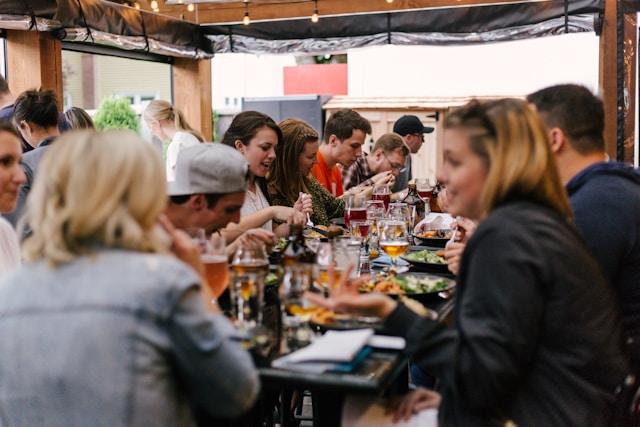
The format is exactly what it sounds like. You pay for a ticket, you turn up at a restaurant, you're seated with five or six strangers who've been matched on shared interests or just at random. Australia now has several:
- TimeLeft. Runs in most major Australian cities, matches you with five strangers via personality algorithm
- Conscious Connections. Melbourne dinners, board game nights, and social events
- Dinner With Strangers. Recurring weekly dinners listed through Eventbrite
Most are paid, most attract people who explicitly came to make friends, and the awkwardness is doing the work for you because everyone signed up knowing the deal.
Religious and spiritual communities
If you have any connection to one, even a vague one, this is worth considering. Churches, synagogues, mosques, temples, Buddhist meditation centres, and secular spiritual communities are some of the only remaining institutions in modern life that meet weekly with the same people and feed everyone afterwards. The friendship density is genuinely high.
Join your industry's local meetup or professional community
Less LinkedIn, more "people who do similar work, hanging out." Tech has the largest scene — PyData Sydney, the various AI meetups, design communities like Refresh Sydney — but most fields have something: writing groups, freelance meetups, founder coffees, education networks. Search Eventbrite or Meetup for your discipline plus your city. Work friendships built outside your actual workplace tend to last longer than ones built inside it.
Travel locally, and stay somewhere social
Couchsurfing still exists in Australia and now competes with newer options like Trustroots and BeWelcome. Hostels in tourist-heavy areas (the Great Ocean Road, Tasmania, Far North Queensland, the East Coast generally) are surprisingly effective for short, intense friendships that sometimes carry on. Group tours through companies like Intrepid or G Adventures attract solo travellers and have the same compounding effect.
The Best Apps for Making Friends in Australia in 2026
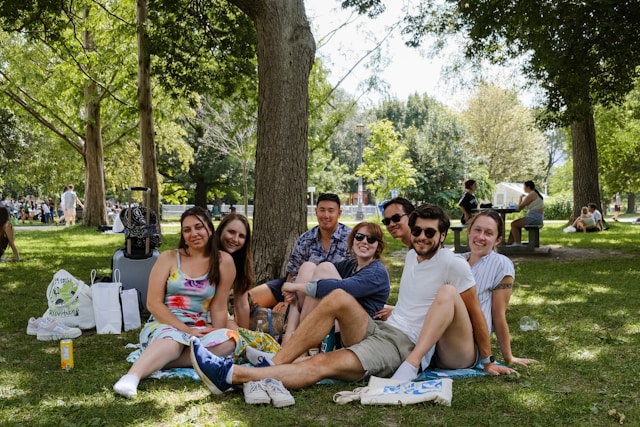
Apps work best as a bridge to real-life plans. The ones that try to be a Tinder-for-friends experience tend to stall in messages. The ones that get you offline tend to work.
KeepActive
If your version of "making friends" overlaps with "doing something active," KeepActive is the most Australian-specific option on the list. It's a directory of local sporting clubs, fitness social groups, walking groups, and community sport across Australia. You search by suburb, find what's happening near you, and join in. The reason it works: you're not joining a "friends app." You're joining touch footy, or a walking group, or a run club. The social part happens because you're standing next to the same people every Tuesday at 6 pm.
Best for: anyone whose social life feels stuck and wants the activity to do the introducing.
Bumble For Friends
Bumble's BFF mode became its own dedicated app, and Bumble For Friends is now the largest friendship app in Australia by user base. The interface will feel familiar: profiles, swiping, prompts, messaging. Either party can start the chat (the dating-app gender rule doesn't apply in friendship mode). The user base is huge across Sydney, Melbourne, and Brisbane, but matching doesn't mean meeting — plenty of matches never make it to a coffee. Treat early messages as a fast-track to suggesting a specific plan within five or six exchanges, otherwise it tends to fade.
Best for: people new to a city who want one-on-one connections.
Meetup
Meetup has been around since 2002 and it still has the deepest catalogue of recurring interest groups in Australia: running, hiking, language exchange, board games, tech, photography, philosophy. The vibe skews late-30s and older, the app interface feels dated, and groups can be more formal than what some people want. But for finding a recurring weekly thing with the same people, Meetup still delivers.
Best for: structured, hobby-driven groups that meet regularly.
Butter
A newer Australian app focused on activity-based plans rather than profile matching. Butter lets people post real plans (a Saturday hike, a midweek dinner in Carlton, a pottery session) and others join in. Currently Melbourne and Sydney only. Smaller user base than Meetup or Bumble, but the plans tend to be specific and the conversations less awkward because there's a thing already happening.
Best for: people in Melbourne or Sydney who'd rather skip the chat and just join a plan.
Bunchups
Another Australian-built option. Bunchups focuses on small group activities (3 to 5 people) rather than large meetups or one-to-one matches, which is good news if big group settings drain you. Coffee, board games, hikes, casual hangs. The small-group format keeps things conversational.
Best for: introverts and people who find big group settings overwhelming.
Eventbrite
Not a friend-making app, but the most underrated tool on this list. Eventbrite lists thousands of events across Australia at any given time: workshops, classes, networking nights, free community events, talks, meetups. Filter to your city, sort by "this weekend," and you'll have a dozen options. Going solo to a single Eventbrite event a fortnight is a genuine social strategy. Our events page also lists fitness-specific options like fun runs, parkruns, hikes, and family events.
Best for: people who want to scan a wide range of options each week and pick one to turn up to.
Strava
Strava's Local Legends and Club features have quietly become a way runners and cyclists find their people. Most run clubs in major cities have a Strava club. You can see who shows up regularly, follow the regulars, and shortcut the awkward "do I belong here yet?" phase.
Best for: runners and cyclists who already train but want to find their local crew.
Facebook Groups
Don't sleep on these. Suburb-specific Facebook groups, expat groups (especially Girl Gone International chapters in major cities), hobby groups, and parent groups are still where a lot of real-world meetups get organised, particularly outside the major-app demographic.
Best for: people in specific suburbs, expat communities, or niche interests not covered by the larger apps.
How to Make Friends in Different Australian Cities
The strategies differ slightly depending on where you are.
Making friends in Melbourne
Melbourne rewards the cultural and creative path. The city has more pottery studios, life drawing classes, theatre groups, and book clubs per capita than anywhere else in the country. Run clubs in Melbourne are huge: Tempo, Run Melbourne, and dozens of neighbourhood crews. Conscious Connections runs frequent dinners and game nights specifically aimed at making friends. Social sport leagues are everywhere. Suburbs like Fitzroy, Brunswick, Northcote, and Footscray have particularly active community calendars.
If you're new: pick a regular weekly thing in your suburb. The city is too big to commute across for friendships. Worth a look: Melbourne parks for mindful walks, free guided walks in Melbourne, and Melbourne's free outdoor fitness park programme.
Making friends in Sydney
Sydney rewards the outdoors path. Surfing communities along the eastern beaches, ocean swimming groups, hiking clubs in the Blue Mountains and Royal National Park, and an enormous run club scene. Dinner-with-strangers events run frequently in the inner west and east. The harbour walks and coastal paths are full of running groups and walking clubs. The city is more spread out than Melbourne, so suburb-loyal friendships work better than CBD-based ones. If you're after weekend ideas, here are some Sydney day trips that work well for new groups.
Making friends in Brisbane
Brisbane is smaller and warmer, both in weather and friendliness. parkrun is huge here, with strong communities at New Farm, South Bank, and Kedron Brook. So is social tennis and netball. The river is a natural meeting point: kayaking groups, riverside running clubs, the City Cat as social infrastructure. South Brisbane and West End have strong creative and community scenes. Brisbane locals are generally more open to "having a yarn" with strangers than Melburnians or Sydneysiders, which works in your favour at pubs and cafés.
If you're new: parkrun on a Saturday morning is the fastest way in. Pick the closest event to your suburb and go for three weeks straight before deciding whether it's for you.
Making friends in Perth
Perth's outdoor lifestyle does most of the work for you. Cottesloe and City Beach mornings draw a regular crew of swimmers, runners, and walkers. The Bibbulmun Track and surrounding trails have active hiking communities. Social netball, AFL, and Aussie rules leagues are huge across the suburbs. Beaufort Street and Leederville have the strongest community-events density.
Making friends in Adelaide
Adelaide's small-city advantage really shows up here — the same people show up to everything, so two or three communities is usually enough to feel embedded. The Adelaide Hills hiking scene is strong, the festival calendar (Fringe, WOMADelaide, Adelaide Festival) attracts a regular volunteer pool, and parkrun communities at Torrens and Bonython are well-established. Local sport leagues run year-round.
Making friends in Hobart and Canberra
Hobart is small enough that joining one or two regular activities — a run group, a hiking club, a volunteer organisation — will quickly land you in the same crowd you keep seeing at the markets and coffee spots. Salamanca on a Saturday is half social infrastructure, half market.
Canberra has a tight community around running, hiking, and the public service social scene. The lake-loop run, Mount Ainslie hiking groups, and CBR Run Club are all easy entry points. The city's reputation for being "boring" tends to mean people who live there have invested heavily in their social calendars.
How to Actually Turn "Acquaintance" Into "Friend"
Most people don't fail at meeting strangers. They fail at the bit after. Here's what genuinely matters.
Show up twice
The first time is for the nerves. The second time is for the conversation. Most people drop out after one event because it felt awkward. Of course it felt awkward. Everyone there was a stranger. The second time, three of them aren't strangers anymore.
Pick recurring over one-off
A monthly book club beats a weekend workshop. A weekly run club beats a one-off hike. Repetition is the entire engine. There's a reason habit-stacking works for fitness: the same logic applies to friendships.
Go solo on purpose
Bringing a friend to a friend-making activity means you'll talk to your friend. Painful but true.
Be the one who suggests the next thing
Most people wait. The person who says "hey, a few of us are getting coffee on Saturday, want to come?" becomes the social hub of the group very quickly. It costs nothing and it works disproportionately well.
Invite people to lower-stakes things first
A coffee or a walk is easier to say yes to than dinner. Once you've done a coffee, dinner becomes normal.
Accept that some won't click
Not every person you meet will become a friend. That's not a failure. It's just how it works. The point is to be in enough rooms that the right ones show up over time.
Give it longer than feels reasonable
Most adult friendships take six months of regular contact before they feel like real friendships. People expect it to feel close after three meetups. It rarely does. Keep going. If anxiety about turning up is the blocker, we've written about how to overcome fitness anxiety, which applies just as much to social anxiety in group settings.
Frequently Asked Questions
How do I make friends in Australia as a new migrant?
Start with two things in parallel: something tied to where you're from (cultural associations, country-specific Facebook groups, religious community if relevant) and something tied to where you live now (a local sports club, parkrun, a community garden, a class). The first gives you immediate familiarity; the second integrates you into local life. There's good research on how outdoor groups build community for CALD women that's worth a read if you've recently arrived.
How do I make friends in Australia at 30, 40, or 50?
The strategies don't change much by age, but the venues do. Run clubs, social sport, parkrun, volunteering, hobby classes, and dinner clubs span every age group. Bumble For Friends and Meetup work across age brackets, though Bumble skews younger. Specifically for over-50s, U3A (University of the Third Age), Probus, men's sheds, and most volunteering organisations have particularly active over-50 communities. We've also written about social connection through physical activity for older adults and healthy ageing fitness for over-50s.
Are friend-making apps in Australia worth using?
Yes, with realistic expectations. They're best treated as a way to find an event or a regular group, not as a replacement for in-person community. Apps that get you offline quickly (Meetup, Butter, Eventbrite for events) outperform apps that try to keep you in the chat (anything that feels like a friendship dating app).
Is it weird to use apps to make friends as an adult?
Not anymore. The stigma has largely gone, particularly post-pandemic. Bumble For Friends alone has millions of Australian users, and most people in their 20s, 30s, and 40s know someone who's met a close friend through an app. The bigger question isn't whether to use one — it's whether the specific app you're using actually pushes you toward in-person plans, or just keeps you in the chat indefinitely.
How long does it take to make new friends as an adult in Australia?
Longer than most people expect. Most genuine adult friendships take three to six months of regular contact before they feel like real friendships, and a year before they feel close. The fastest accelerator is repetition with the same group of people, which is why recurring activities outperform one-off events every time.
What if I'm shy or introverted?
Activity-based settings are your best friend, literally. You don't need to perform, charm strangers, or make small talk in a vacuum. You just need to show up to the same thing twice and let the activity carry the conversation. Pottery, walking groups, volunteering, parkrun, board game nights. All of these work especially well for introverts because there's always something to do besides talk.
The Short Version
Making friends in Australia in 2026 isn't about charisma, luck, or being in the right place. It's about deliberately joining one or two recurring communities (a sports club, a run group, a class, a volunteer org) and going back enough times for the awkwardness to wear off.
Apps help, especially the ones that push you toward real-world plans. But the friendships that last almost always start in a real place, doing a real thing, with the same people showing up week after week.
Pick one thing this week. Show up. Then show up again.
Sources and Further Reading
- University of Sydney: More than 40% of young Aussies are lonely (2025)
- University of Melbourne: Australia's young people are getting lonelier (HILDA Survey)
- The Conversation: More than 2 in 5 young Australians are lonely
- Medibank: Finding your tribe with parkrun
- parkrun Australia
- Study Melbourne: How to make friends
- YourLifeChoices: Lonely? Here's how to connect with old friends and make new ones
- TED: Marisa G. Franco — The Secret to Making New Friends as an Adult