

Disclaimer: The information in this article is general in nature and is not intended to be a substitute for professional medical advice, diagnosis, or treatment. Always seek the advice of your doctor or other qualified health professional before starting any exercise programme or with any questions you may have regarding a medical condition.
It's a Tuesday evening in late June. The Sunshine Coast Marathon Festival is five Sundays away, a friend has just texted you the registration link, and the furthest you've run lately is to catch a closing lift. Here's the honest answer before you talk yourself out of it: enter the 5km. Or bring the kids and do the 2km. Five weeks is not enough to build a half marathon from scratch, but it is plenty to reach the start line of a flat, beachside 5km feeling ready rather than reckless. Starting small at this event is not the consolation prize. It's the smart race.
Five weeks out, the honest call on your distance
The temptation, when a big event lands in your lap, is to pick the distance that sounds impressive. Resist it. If you are starting more or less from zero with a little over a month to go, the 5km is the distance that rewards you, and the 2km is the one that lets the whole family in. The longer races are wonderful goals. They are not five-week goals for a first-timer.
This is the bit the coaching websites won't tell you, because most of them are selling a marathon plan. The course being flat and fast does not make a half marathon achievable on five weeks of training. It makes it more tempting, which is a different thing. The distances aren't going anywhere. Do the 5km in August, finish it standing tall, and the 10km is there for you next year.
Starting with the 5km isn't the cautious option. It's the one that gets you to the start line healthy and to the finish line smiling.
What's actually on offer on 2 August
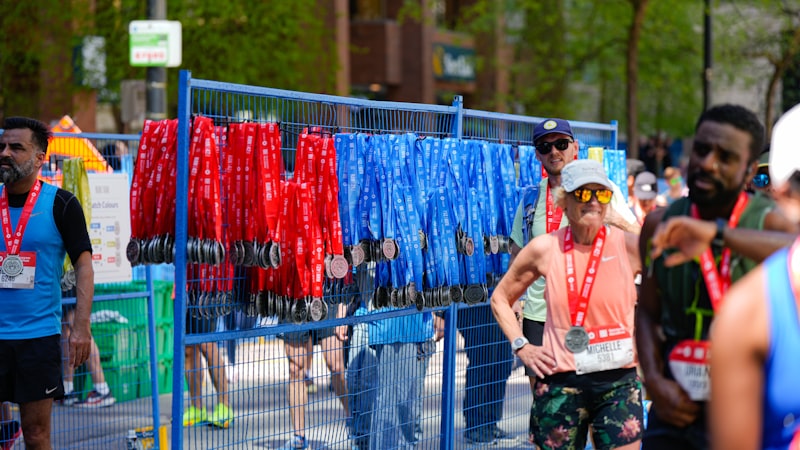
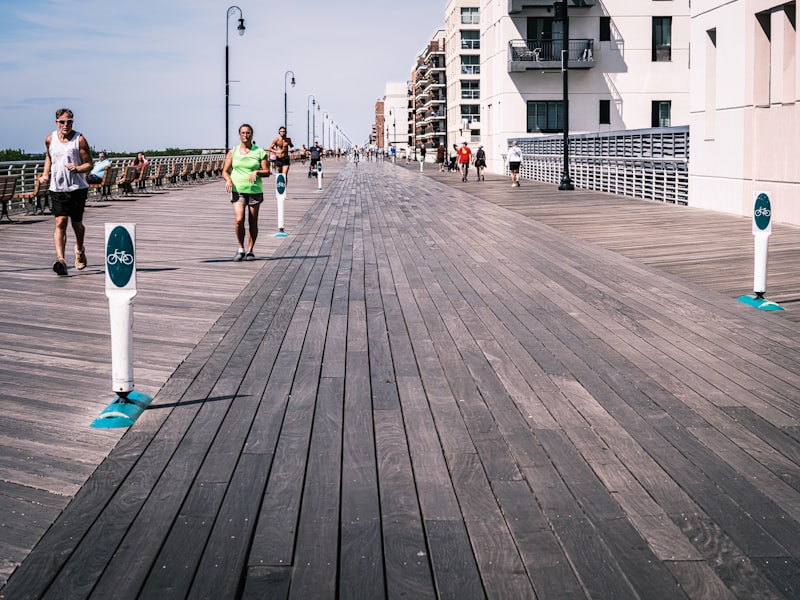
The EVA Air Sunshine Coast Marathon Festival runs on Sunday 2 August 2026 at Alexandra Headland, just along the coast from Mooloolaba and about an hour's drive north of Brisbane. According to the event listing on the Sunshine Coast Council site, the festival offers five distances: a 2km, a 5km, a 10km, a half marathon and a full marathon, with each road race following the coastline of Alexandra Headland past white sandy beaches on a predominantly flat route.
A few things matter for a first-timer here. The course is flat, which takes the fear out of hills you haven't trained for. The timing is deliberate, scheduled to make the most of Queensland's mild winter mornings rather than summer heat. And it's a proper community event with real reach: the festival is a member of the Association of International Marathons and Road Races, and over its history it has raised more than $2.5 million for charity and community groups. You're not turning up to a time trial. You're joining several thousand people of every pace.
Can you actually get 5km-ready in five weeks?
For most people who can already walk briskly for half an hour, yes. The trick is to stop thinking of it as running and start thinking of it as run-walk. You jog gently for a minute or two, walk for a minute, and repeat. Over the weeks you stretch the jogging intervals and shrink the walking ones. Three short sessions a week is enough. Trying to do more, too soon, is how beginners end up with sore shins instead of a finisher's medal.
In practice that might look like 20 to 25 minutes of mostly walking with short jogs in week one, building toward 30 minutes of mostly jogging by the last week, with one slightly longer session on the weekend. Keep the pace conversational. If you can't speak in full sentences while you jog, you're going too fast, which is the single most common first-timer mistake. Rest days are training too, the bit where your legs actually adapt, so don't feel guilty about them.
If five weeks sounds tight, it's because the honest training window for a first 5km is usually six to ten weeks. Five is doable, but only if you respect the build and don't chase a time. Walk the whole way if your body says so on the day. Nobody at the finish line cares, and plenty of people around you will be doing exactly that. Our guide to preparing for your first 5km run walks through a sensible week-by-week build, and ten minutes on a proper warm-up and cool-down will save you more grief than any gadget.
The best free dress rehearsal is a local parkrun, the free, timed, weekly 5km held on Saturday mornings in towns across Australia. Doing one or two before August means race morning won't be your first experience of starting in a crowd, and you'll already know what 5km feels like on your legs.
Why the 10km and the half can wait
Here's the tension worth sitting with. The same flat course that makes this event friendly is exactly what lures beginners into entering a distance they haven't earned yet. A 10km from a standing start in five weeks roughly doubles the load of a 5km, and the repetitive pounding of running is unforgiving when you add volume faster than your tendons can adapt. The half and full marathons need months of patient base-building, not weeks.
None of that is a reason to feel small about the 5km. It's a reason to feel clever about it. The runners you'll see grinding out the marathon almost all started with a shorter race once. If you'd rather build toward a bigger distance properly, our beginner's guide to the Gold Coast Marathon covers how first-timers and families approach a longer event with a real runway.
Bringing the kids: the 2km is the point, not the warm-up
If you have children, the 2km is the reason to enter the whole family rather than leaving anyone on the sidelines. The council listing notes the 2km event welcomes parents pushing prams and people in wheelchairs, and the day is scheduled so that a parent can run a longer distance and still get back in time to do the 2km alongside their child. That small piece of planning is what turns a personal goal into a family morning out.
For a reluctant or first-time young runner, a 2km along a flat beachfront with thousands of cheering strangers is about the gentlest possible introduction to organised sport. There's no minimum pace, no pressure, and a medal at the end. If it goes well, you've got a child who associates running with a good day rather than a school cross-country they'd rather forget.
Where to find your feet before race day
You don't have to train alone. The simplest place to start is run clubs and walking groups near you on KeepActive, where listings can be filtered by suburb so you can find a beginner-friendly group within a short drive. Many run a relaxed weeknight session that's perfect for someone easing in, and turning up to a few before August takes the edge off race-day nerves.
It's also worth browsing other fun runs and community events on KeepActive, because once you've finished the Sunshine Coast 5km you'll probably want the next one in the calendar before the finish-line feeling fades. A local parkrun fills the Saturdays in between, and a casual Instagram or Google search for your suburb's name plus "run club" can surface very new groups that haven't been listed yet.
So enter the distance that fits the five weeks you actually have, not the one that sounds good at the pub. On 2 August, the people walking the last stretch of the 5km will be having just as good a morning as the ones chasing a marathon time. Possibly better.