
You are 68. The kids have moved interstate. Your partner is still here, but most days the loudest conversation in the house is the kettle. You tell yourself you’re fine. But the days have become quieter than you realised.
That gap, the one between feeling okay and quietly drifting from the people around you, is what a new wave of Australian research is starting to take seriously. And the answer it points to is unexpectedly simple: in later life, regular social connection may matter more than most people realise.
A six-year study of older Australian twins
Researchers from UNSW Sydney’s Centre for Healthy Brain Ageing (CHeBA) followed more than 560 older Australians enrolled in the Older Australian Twins Study over six years, tracking how their social lives changed and how their mental health moved with it.
The findings, later summarised by clinical psychologist Dr Suraj Samtani in MJA Insight+, found that older adults who interacted more frequently with friends, neighbours and community members experienced fewer depressive symptoms both at the beginning of the study and six years later.
UNSW’s summary of the research noted that these social connections appeared to be shaped far more by life experiences and environment than genetics, meaning they are highly modifiable and responsive to community programs, activities and routine social contact.
Importantly, the findings did not suggest family relationships were unimportant. Instead, they highlighted that friendships, neighbourhood ties and community participation can play a particularly protective role alongside family support in later life.
Why repeated social contact matters
For many older Australians, family contact can become loving but intermittent, while friendships and neighbourhood ties provide smaller, repeated moments of connection across the week.
You see your walking group three times a week. The bloke at lawn bowls asks after your knee. The woman two doors down waves through the kitchen window. Those repeated interactions create a felt sense of belonging that matters more than most people assume.
This lines up with broader Australian data. The State of the Nation Report: Social Connection in Australia 2023 found almost one in three Australians experience problematic loneliness.
The Australian Institute of Health and Welfare has also highlighted loneliness and social isolation as growing public health concerns, particularly for older Australians.
Researchers have increasingly linked chronic loneliness with poorer physical and mental health outcomes, including depression, cardiovascular disease and cognitive decline.
What “social connection” actually looks like at 65, 75 or 85
The research talks about emotional support and community connection. What does that look like on a Tuesday?
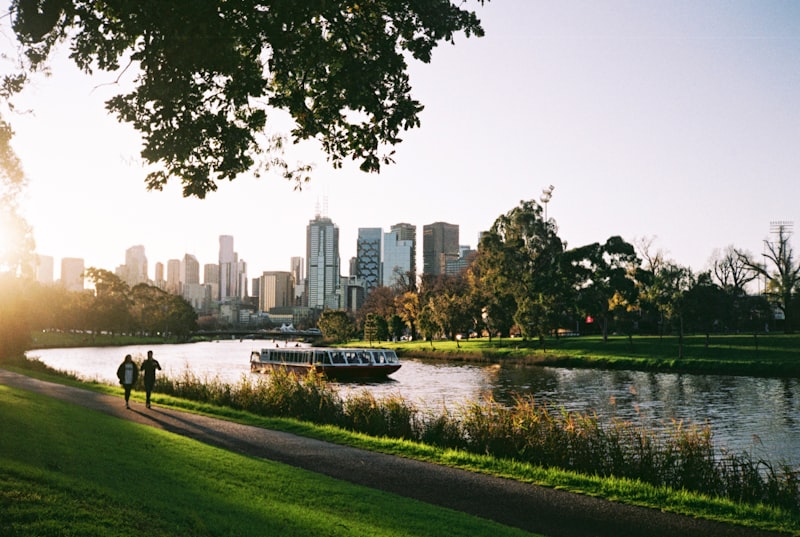
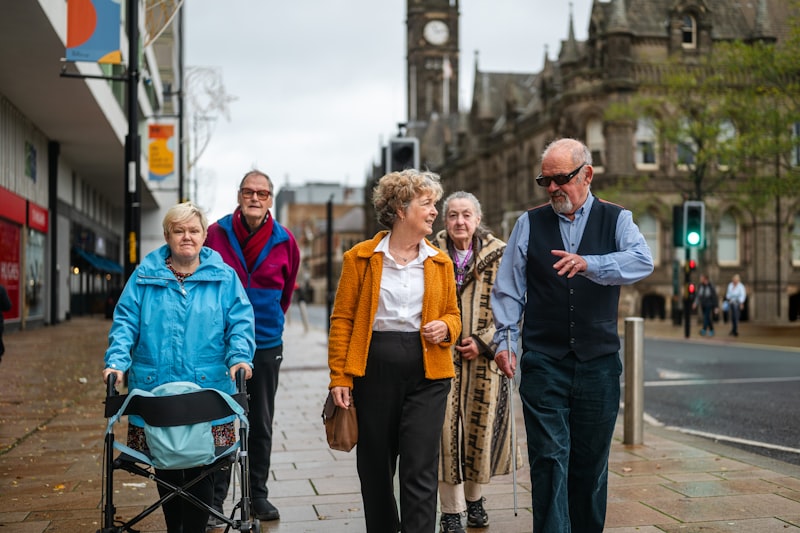
It looks like a weekly walking group with the same five or six people, where conversation builds slowly across months rather than one coffee catch-up. It looks like a Saturday morning parkrun where volunteers greet you by name and someone notices when you miss a fortnight.
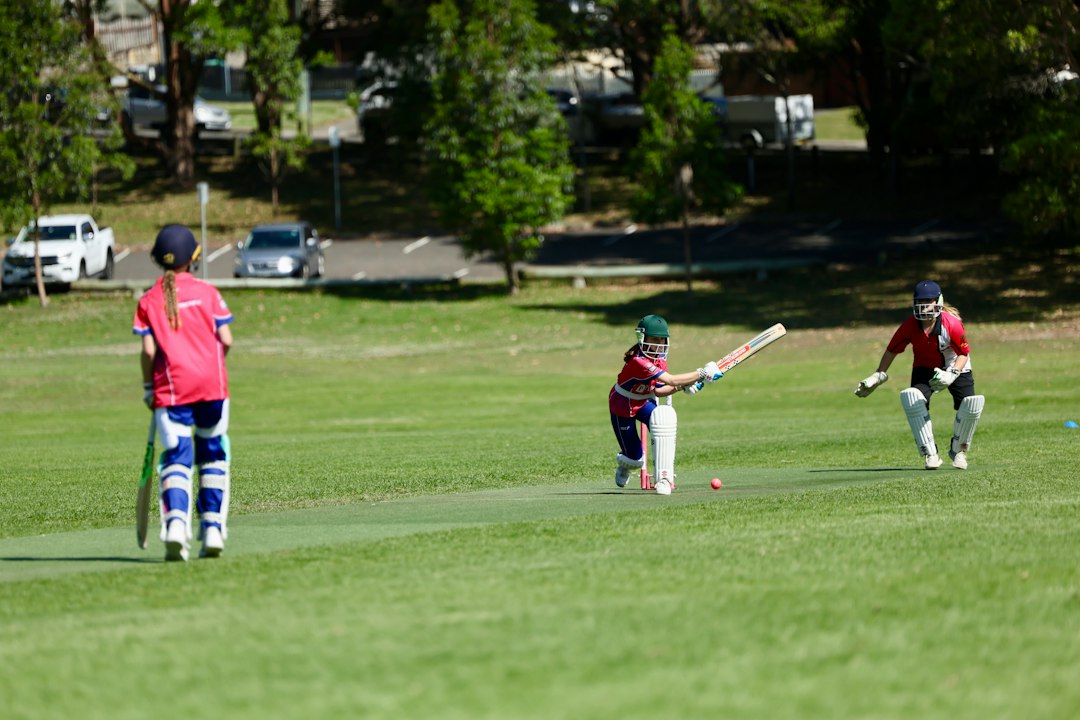
It looks like a lawn bowls club where you have a regular team and a regular reason to leave the house at 1pm on Wednesdays. It looks like turning up to choir rehearsal even when you nearly skipped it.
What it usually does not look like is one large social event every few weeks. The research consistently points towards frequency and repetition rather than novelty. Small contact points repeated over time appear to matter most.
This is why activity-based groups often punch above their weight. They give people a reason to show up that is not “I need friends,” which many adults find uncomfortable to say out loud. You came for the walk, the bowls, the swim or the choir. The conversation arrives as a side effect.
A practical example: how routine creates connection
Community groups around Australia see this pattern constantly. At many local walking groups, bowls clubs and parkruns, new members often arrive quietly, attend inconsistently for a few weeks, then gradually become part of the rhythm of the group.
The change is usually not dramatic. Someone starts remembering their name. A regular coffee appears after the activity. Eventually, missing a session feels stranger than attending one.
That slow accumulation of familiar faces and repeated conversation is exactly the kind of “ambient” social connection researchers believe may help protect mental wellbeing in later life.
How to add one new social tie this month
If you take the research seriously, the goal is not to build an impressive social calendar. It is to add one or two repeatable contact points each week with the same people over time.
A pattern that works for many older Australians:
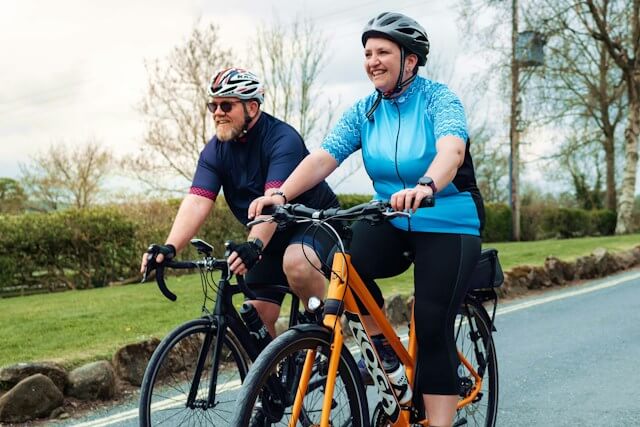
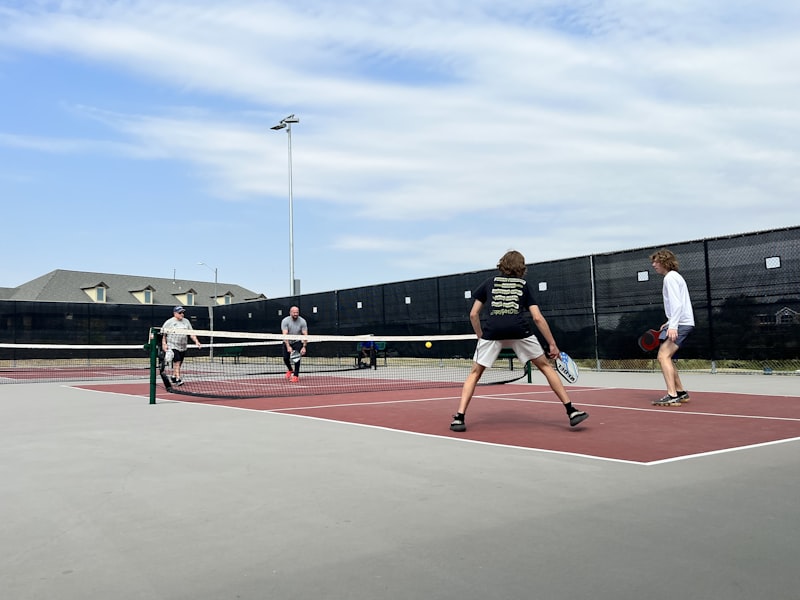
- Pick something physical and weekly. Walking groups, lawn bowls, water aerobics, social tennis or tai chi in the park. Browse social groups and clubs near you on KeepActive and filter by suburb and activity type. Prioritise activities that meet every week.
- Commit to six weeks before judging it. The first session usually feels awkward. By week two, somebody remembers your name. By week four, you know where people stand after the session. Most people quit before routine has time to form.
- Add a second type of contact. Once one activity feels familiar, layer in another recurring activity on a different day — a community garden, U3A course, volunteer shift or book club.
- Use the neighbour you already have. The UNSW research specifically highlighted neighbour and community ties. Sometimes social connection begins with something small: a conversation at the mailbox, a flyer dropped off for a local event, or sharing produce from the garden.
None of this requires being extroverted. It requires being repeatable. Social sport in particular works well because the activity carries the interaction. You can play a full game of lawn bowls and exchange thirty words. Across months, those thirty words become familiarity.
When loneliness is the real issue — and when it isn’t
The UNSW research also draws an important distinction between living alone, being socially isolated and feeling lonely. They are not the same thing.
Some older Australians live alone and feel deeply connected to their community. Others live in busy households and still experience persistent loneliness. The mental health risk tends to track the felt experience of loneliness more closely than the number of people physically nearby.
If loneliness becomes severe, persistent or begins affecting sleep, mood or motivation, this is the point where professional support matters. Social connection is an important protective factor, but it is not a replacement for clinical care when depression takes hold.
Resources like Beyond Blue, a GP review or local mental health support services are appropriate starting points.
For everyone else — the people who suspect their week has become a little too quiet — the research offers a surprisingly practical instruction.
Find one repeating activity. Keep showing up. Then add a second.
The thing that protects your mind in later life is often not dramatic. It is a Tuesday morning walk with the same five people, every week, for years.